

EDLA-certified smart displays let you turn a high-resolution Android screen into a secure, standalone retro gaming hub without sideloading apps or attaching a PC or console. The official Google Play Store access and built-in security scanning make the setup safer than on uncertified devices, while features like USB controller support and emulator settings help deliver responsive gameplay on titles from the 8-bit and 16-bit eras.

For most retro enthusiasts, an EDLA display suits bedroom, office, or dorm setups where you want quick access to classic games without extra hardware. It works especially well if you prioritize security and prefer wired controllers for precision. However, it may not fit if you need native 60 fps on demanding 3D systems or if your room requires extreme portability without a stable power source. Check first whether your chosen display runs Android 13 or 14 with at least 8 GB RAM and supports HID gamepads before investing time in configuration.
The EDLA Advantage: Why Security Matters for Retro Gaming
EDLA certification ensures official access to the Google Play Store along with Google Play Protect, which scans apps for malware before installation. This removes the need for risky sideloading common on non-certified Android displays and gives long-term stability through regular security updates. As this official explanation of Google EDLA notes, the program provides a protected environment that keeps emulation software safer over time.
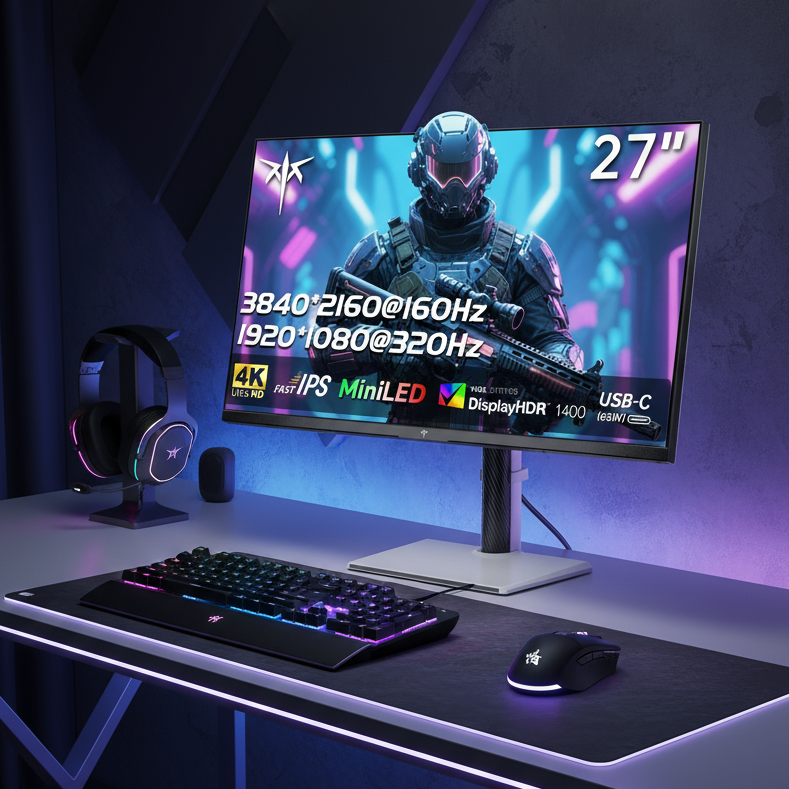
KTC MegPad models such as the 32-inch 4K version and the 25-inch portable option carry this certification, allowing direct installation of trusted emulators. The result is a self-contained system where you avoid permission conflicts or malware exposure that can plague unofficial setups. This matters most in shared spaces or when children might use the device, because Play Protect runs automatically in the background.
If security and update reliability are top priorities, an EDLA display is the clearer choice over generic smart TVs or uncertified panels that force APK downloads. The trade-off appears mainly in higher upfront cost compared with basic monitors, but the peace of mind and reduced maintenance often outweigh that for dedicated retro fans.
Step-by-Step: Installing Emulation Apps Safely from the Play Store
Begin by ensuring your EDLA smart display has a stable Wi-Fi connection and is signed into a Google account. Open the Play Store, search for "RetroArch" or "PPSSPP," and install the official versions. RetroArch serves as the primary all-in-one frontend for dozens of systems, while PPSSPP offers optimized performance for PlayStation Portable titles when needed.
After installation, grant the apps storage permissions carefully. On Android 13 and 14, scoped storage means you must select specific folders rather than granting blanket access. Create a dedicated "ROMS" directory on internal storage or a connected USB drive, then point the emulator to it through the app settings. This approach prevents accidental exposure of unrelated files and maintains system hygiene.
Official store versions receive automatic updates that patch security issues and improve compatibility, unlike sideloaded APKs that can become stale. Avoid third-party repositories entirely; if an emulator is unavailable on the Play Store, treat that absence as a signal it may not be suitable for a secure setup. Once installed, test with a small, legal homebrew ROM before expanding your library.
Master Your Controls: Bluetooth vs. USB Gamepad Configuration
Modern EDLA displays running Android 13 or 14 support most gamepads through the standard HID profile. This allows both Bluetooth and USB controllers to work with minimal extra software. USB connections generally deliver lower and more consistent polling latency, which matters for timing-sensitive platformers and fighting games where even small delays disrupt muscle memory.
To pair a Bluetooth controller, go to your display's Bluetooth settings, put the pad in pairing mode, and select it from the list. USB gamepads usually register immediately upon plugging in. The common friction point is the "A/B swap" where Android's default X-input layout reverses confirm and cancel buttons compared with classic Nintendo expectations.
RetroArch offers a clean fix: navigate to Settings > Input > Menu Controls and toggle "Menu Swap OK and Cancel Buttons" for consistent navigation. For per-game adjustments, open the Quick Menu during play, select Controls > Port 1 Controls, remap individual buttons, and save the core remap. This keeps global menus intact while adapting each system. Saving these profiles once usually survives restarts on EDLA hardware because certified drivers remain stable across updates.
Bluetooth works well for casual sessions, but many players switch to USB for competitive or frame-perfect retro titles. If a controller is not detected, try a different USB port or verify it appears in Android's input tester before assuming incompatibility.

Pro-Level Performance: Reducing Lag and Input Delay
Input lag in retro emulation comes from multiple sources: controller polling, internal game frame timing, and display processing. On EDLA smart displays, wired USB connections bypass the typical 10–15 ms overhead of Bluetooth stacks, making them the preferred starting point for precision play. Bluetooth remains convenient for couch sessions but can introduce noticeable jitter in 2D titles that demand exact timing.
The Run-Ahead feature in RetroArch processes future frames in advance to eliminate the one-frame internal lag present in original hardware. It works reliably on 8-bit and 16-bit cores with negligible CPU impact. On 32-bit and 64-bit systems, however, the added processing load can cause stuttering or audio crackling on mid-range Qualcomm chips driving 4K or large panels. The chart below clarifies these practical boundaries.
Run-Ahead Safety and Fit by System Complexity
Run-Ahead is generally safest on simpler 8/16-bit setups, becomes riskier on 32/64-bit mid-range Qualcomm systems, and should give way to USB or Hard GPU Sync when complexity rises.
View chart data
| Scenario | 8-bit | 16-bit | 32-bit | 64-bit |
|---|---|---|---|---|
| Safe and beneficial | 3.0 | 3.0 | 1.0 | 0.0 |
| Mixed fit | 0.0 | 0.0 | 2.0 | 2.0 |
| Risky | 0.0 | 0.0 | 3.0 | 3.0 |
When Run-Ahead risks instability, enable Hard GPU Sync in the Video settings instead. This option synchronizes the GPU at lower CPU cost and often delivers smoother results on 3D cores. Combine it with a USB controller and modest resolution scaling to keep frame times consistent. On 4K EDLA models, lowering internal resolution or disabling unnecessary shaders further reduces thermal load without sacrificing the nostalgic look.
Troubleshooting Common Setup Hurdles
Audio crackling usually signals CPU overload; disable Run-Ahead first and test again. If the issue persists, lower the audio buffer size gradually or switch to Hard GPU Sync. Controller detection failures often trace to HID incompatibility; try a different pad or verify the device appears in Android's Bluetooth or USB menus.
ROM storage problems on Android 13/14 stem from scoped storage rules. Always select the exact folder through the emulator's directory picker rather than assuming full access. If thumbnails or playlists fail to load, clear the app cache and rebuild them manually. Network-related stuttering during initial setup can be fixed by switching to 5 GHz Wi-Fi or using a wired Ethernet adapter if available on your model.
Most issues resolve with small, targeted changes rather than full resets. Keep a simple checklist: confirm USB or stable Bluetooth pairing, verify storage permissions, test one core at a time, and adjust only one setting per session. This methodical approach prevents chasing multiple variables at once.
Beyond the Basics: Building Your Ultimate Nostalgia Hub
Once core settings are dialed in, use RetroArch playlists and automatic thumbnails to create a console-like library view that feels polished and easy to browse. Organize by system or genre so family members or guests can jump in without learning the interface. The built-in battery on many MegPad models supports portable sessions around the house, letting you move from desk to couch without interrupting gameplay.
A practical final checklist includes: enable Google Play Protect, use only Play Store emulators, prefer USB controllers for precision titles, test Run-Ahead only on 8-bit and 16-bit cores, save per-core remaps, and keep internal resolution modest on larger 4K panels. With these steps, your EDLA smart display becomes a versatile, secure retro station that requires no external console or PC.
For related ideas on expanding your setup, see our guide on How to Build a Mobile Dual-Screen Gaming Setup with a Portable Monitor or explore the full range of Mobile Touch Screen options that pair well with retro workflows.
Can EDLA certification prevent all malware risks when installing emulators?
No certification eliminates every risk, but EDLA devices benefit from automatic Google Play Protect scanning and official store distribution. Still review permissions during install and avoid unknown sources. Regular OS updates from the manufacturer further reduce exposure compared with non-certified hardware.
Which controllers work best with EDLA smart displays for retro games?
Most HID-compliant USB and Bluetooth pads function immediately. 8BitDo and Logitech models are widely reported as reliable. For the most accurate feel in older titles, a wired USB controller usually provides tighter timing than Bluetooth equivalents.
Does enabling Run-Ahead always improve retro gameplay on smart displays?
It helps significantly on 8-bit and 16-bit systems by removing original hardware lag. On more complex 32-bit or 64-bit titles running on mid-range chips, it can introduce stuttering or audio issues. Test per core and fall back to Hard GPU Sync when needed.
How do I keep my ROM library organized and updated on an Android smart display?
Use RetroArch's playlist scanner to automatically detect and sort games by system. Store ROMs in clearly named folders and refresh the playlist after adding new files. Avoid mixing file types in the same directory to prevent scanning errors.
Is a 4K EDLA display overkill for classic retro games?
Not necessarily. The extra resolution lets you apply crisp shaders or integer scaling without blurriness. However, higher resolutions increase GPU load, so keep internal rendering resolution modest and prioritize frame consistency over native 4K output for older systems.