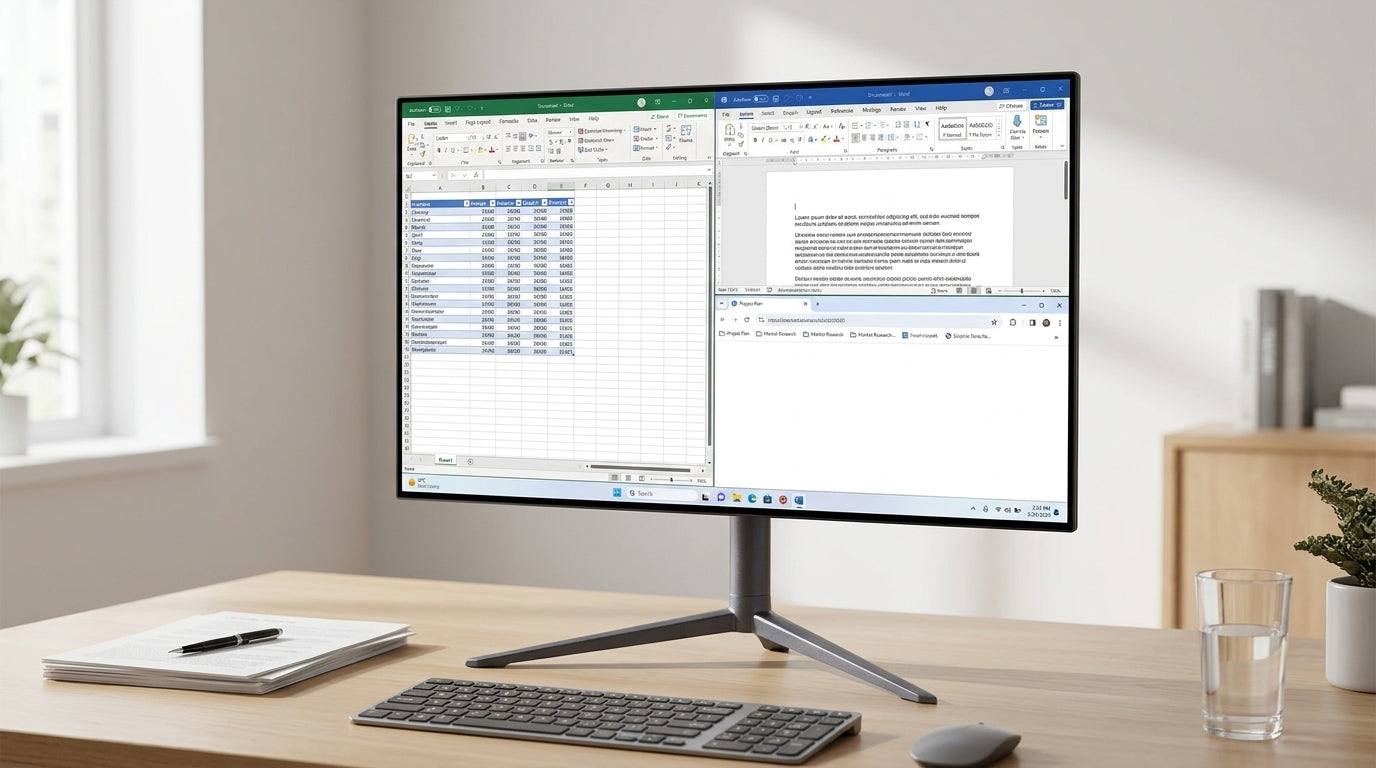
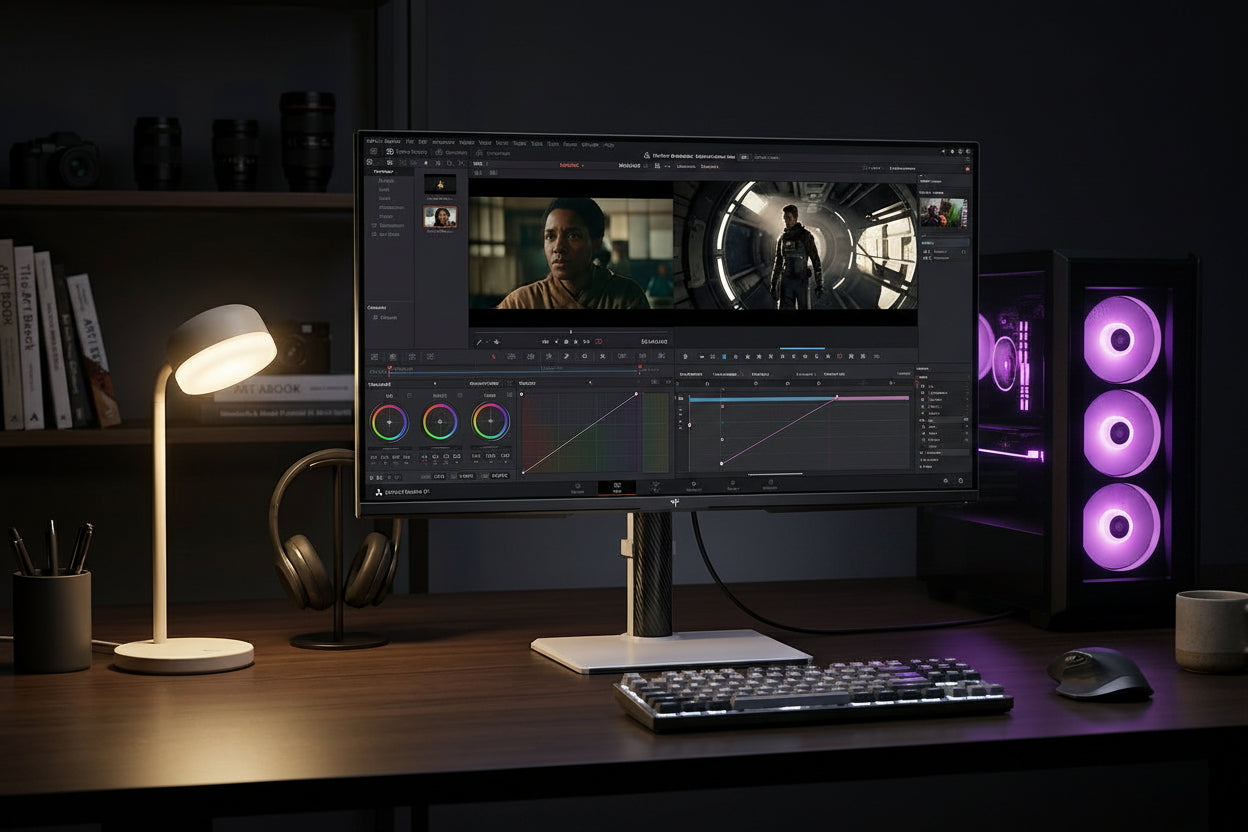
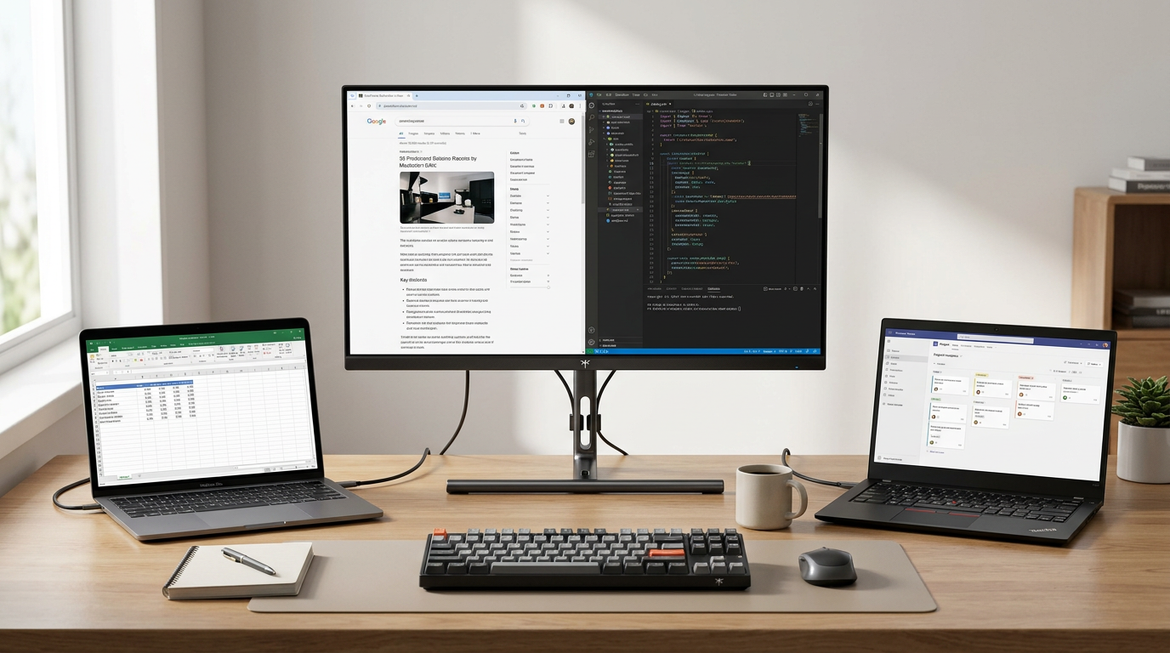
A rolling smart display is worth considering for corporate training rooms when rooms change often, wall mounting is impractical, and software workflow matters as much as mobility. If your team needs a screen that can move between sessions without turning every room into a permanent install, start with the room path, the app workflow, and the handoff process.

Why Corporate Training Rooms Need Mobility
Corporate training rooms are often shared, reconfigured, or scheduled in blocks, so a fixed screen can become a constraint instead of a convenience. That is the main reason buyers look at a rolling smart display for training rooms rather than a wall-mounted panel.
The mobility question is less about "can it roll?" and more about whether the room actually changes enough to justify a movable setup. In a steady room with one layout, wall mounting usually keeps things simpler. In a room that gets repurposed for onboarding, workshops, and internal demos, the ability to move the display can reduce setup friction.
A useful internal link here is rolling-display utility checks, which helps frame when mobile screens add real value and when they do not. That matters because a portable smart display for corporate training is only useful if the room workflow is the part that is changing, not just the product category.
A good decision rule is simple: choose mobility first when the same screen needs to serve multiple rooms or move in and out between sessions; choose permanence first when the room is effectively fixed and always ready. That trade-off will matter more than marketing language about convenience.
What Training Buyers Should Check First
Before comparing models, separate the checks that affect day-to-day use from the nice-to-have features. For a rolling smart display, the first pass should cover room size, movement path, software fit, and who will own setup and support.
Room Size and Viewing Distance
Start with the room shape and how far people sit from the display. A larger room or deeper seating plan usually needs a screen that stays readable from the back row, while a tighter room can often work with a smaller panel if the content is mostly slides or one-on-one demos.
The decision is not "largest screen wins." It is whether the screen size matches the room's normal seating pattern. If you are buying for recurring group training, think about the worst-case session, not the smallest one.
Mobility, Power, and Repositioning
Check whether the stand, wheels, and weight make repeated movement practical for your team. If the display will be moved between rooms, also plan for charging, outlet access, and where the unit will sit between sessions.
Battery support is helpful, but it should be treated as a use-condition question rather than a blanket promise. Brightness, app load, and how long the screen stays active all affect real-world runtime, so avoid buying on battery wording alone.
Software and Input Compatibility
Software fit is a separate gate from physical mobility. For managed rooms, Android Enterprise management is the kind of platform detail IT cares about because it points to controlled access, Google service context, and a more structured device workflow.
That does not mean every app will behave the same way on every screen. Confirm the exact meeting app, casting method, sign-in flow, and any laptop inputs your team relies on. HDMI and USB support still matter for fallback use when wireless access is not ideal. For a broader planning angle, the team collaboration guide is a useful follow-up when you are mapping the display to real room workflows.
IT and Facilities Readiness
A mobile screen can still fail a room test if the route is awkward. Facilities teams should check doorways, storage space, charging access, and floor transitions before rollout.
The ADA floor and ground surface guidance is a useful reminder to verify thresholds and transitions instead of assuming a rolling unit will move smoothly everywhere. That is not a purchase rule by itself, but it is a good readiness check.
If the route is easy, the handoff is clean, and IT can support the sign-in flow, a mobile smart display is much easier to live with. If any of those parts are shaky, wall mounting may end up simpler.

How This KTC Model Fits the Use Case
For buyers who want a worked example, the KTC MEGAPAD 32" 4K Android 13 Google EDLA Smart Touch Monitor with 9500mAh Battery fits the rolling smart display category in a straightforward way. It combines a 32-inch 4K touch display, wheels, Android 13, Google EDLA, and a built-in battery, so it maps to the basic training-room need without pretending to solve every deployment.
The 32-inch size gives you a larger canvas for slides, demos, and shared viewing than a small portable screen. For corporate training, that matters when the room has more than a few attendees or when content needs to stay legible across a table or conference layout.
The software side is where IT will pay closest attention. Android 13 with Google EDLA points to a managed Google-centered workflow, which is useful when access control and app administration matter. It does not guarantee support for every app your company uses, so the right move is still to verify your exact meeting stack before rollout.
The battery and wheels make the model practical for room-to-room use, but runtime should stay in the "check current specs" bucket. Brightness settings, app behavior, and session length still shape whether the screen will last through a full training block.
If your team wants a browseable category view instead of a single model, mobile touch screen options are the broader path. If you want the official product page, use the featured model above as the starting point and verify the workflow details against your own room setup.
When a Wall-Mounted Display Still Wins
A wall-mounted display is still the better choice when the room is stable, the layout rarely changes, and instant readiness matters more than relocation. In that case, mobility can add extra steps without adding much value.
| Decision Factor | Rolling Smart Display Advantage | Wall-Mounted Display Advantage | Corporate Training-Room Implication | What To Verify |
|---|---|---|---|---|
| Room flexibility | Moves between rooms and session types | Stays ready in one fixed space | Mobile works better for shared rooms and rotating schedules | How often the room layout changes |
| Setup effort | No permanent wall install | Fewer handoffs once installed | Fixed mounting can simplify a dedicated room | Whether installation is allowed |
| Storage and transport | Can be stored between sessions | No transport needed | Rolling units suit temporary or shared spaces | Storage location and route |
| IT and room workflow | Easier to reposition for mixed use | Simpler in one always-on room | Mobility helps if the same display serves multiple teams | Sign-in and casting process |
| Best-fit condition | Flexibility matters more than permanence | Permanence matters more than flexibility | Choose based on actual room turnover, not feature lists | Who owns room readiness |
A wall mount usually wins when the room behaves like a fixed asset, while a rolling smart display wins when the room behaves like a shared resource. That is the cleanest decision line for most corporate training buyers.
Rollout Checklist for Training Rooms
- Confirm the room's normal seating pattern and screen size needs before you buy.
- Map the travel route from storage to room, including doors, thresholds, and floor transitions.
- Decide where the display will charge or stay parked between sessions.
- Verify the exact login, casting, and HDMI workflow IT expects to use.
- Assign ownership for setup, updates, and basic troubleshooting.
- Run one full rehearsal before the first live training session.
If you cannot check every item, treat the rollout as a conditional fit, not a finished plan. For category browsing, smart monitors and mobile touch screen options are the two most relevant starting points.
FAQs
How Do You Know If a Rolling Smart Display Fits Your Training Rooms?
It usually fits best when the same screen needs to serve different rooms, different session types, or a shared space that cannot stay permanently mounted. If the room is already stable and always available, a fixed display may be the cleaner choice.
What Software Checks Should IT Make Before Buying One?
IT should verify the meeting app, sign-in flow, casting method, network rules, and fallback input options before purchase. The key question is whether the display matches the company's current room workflow, not whether it looks compatible on paper.
Can a Rolling Smart Display Replace a Wall-Mounted Screen in a Training Room?
Yes, when flexibility matters more than permanence and the room changes often. It is less convincing in rooms that are always ready for the same use, where a wall mount can reduce movement and setup steps.
What Room Setup Constraints Matter Most for a Mobile Display?
Storage, charging, doorways, and floor transitions matter most. You also need to know who will move the unit and who will handle room handoff, because the display is only as convenient as the process around it.
Why Does Battery Life Matter If the Display Still Uses Power?
Battery support can reduce dependence on an outlet during moves or short sessions, but it should still be checked against brightness and workload. In practice, battery helps with flexibility, not with removing every power-planning step.
Final Takeaway
A rolling smart display is a good corporate training-room fit when mobility solves a real room workflow problem, not when it is just a nice feature. If your rooms are shared, reconfigured, or used across multiple teams, a mobile setup can make more sense than a fixed wall mount. If the room is stable, wall mounting still has the simpler case.
Use the checklist above, verify the software path, and compare the featured model only after the room plan is clear.