A well-kept LCD or LED-backlit monitor should realistically last about 5 to 10 years, and often longer under moderate use. OLED and portable displays may need replacement sooner depending on brightness, static content, heat, and travel wear.
Is your monitor still turning on, but the image looks dimmer, motion feels smeary, or your workday ends with more eye fatigue than it used to? A simple hours-based check can show whether a display is aging normally or being pushed toward early replacement, so you know when to keep it, tune it, repair it, or upgrade with confidence.
The Realistic Lifespan: Years Matter, But Hours Matter More
Most monitor lifespan claims are easier to understand when you translate them into hours of actual use. A typical LCD monitor is often described as lasting about 30,000 to 60,000 hours, which can equal roughly 10 to 20 years at 8 hours per day. That sounds generous, but “still powers on” is not the same as “still delivers the brightness, color, motion clarity, and comfort you bought it for.”
For most gaming and productivity users, the practical replacement window is closer to 5 to 10 years. The monitor may physically survive longer, but backlight dimming, color shift, outdated ports, lower resolution, poor ergonomics, and missing features such as USB-C, variable refresh rate, or higher refresh rates can make an otherwise working screen feel obsolete.
A useful rule is this: replace for failure when the monitor becomes unstable, replace for performance when the screen blocks your work or play, and keep it when image quality remains consistent and the feature set still matches your workflow.
Display Type |
Realistic Service Expectation |
Common Aging Pattern |
Best Fit |
LCD with older CCFL backlight |
5 to 8 years |
Dimming, uneven brightness, slow warm-up |
Legacy office setups |
LED-backlit LCD |
7 to 10+ years |
Gradual brightness loss, backlight bleed, color drift |
Most gaming and office users |
IPS LCD |
7 to 10+ years |
Brightness loss, occasional glow or uniformity issues |
Productivity, mixed creative work, gaming |
VA LCD |
6 to 10 years |
Dark smearing, contrast or uniformity changes |
Media, office, ultrawide productivity |
OLED |
3 to 7+ years depending on use |
Burn-in risk, uneven pixel aging, brightness decay |
Premium gaming, HDR, contrast-first setups |
Portable monitor |
3 to 6+ years depending on travel |
Cable wear, heat stress, chassis damage, brightness limits |
Mobile workstations and second screens |
What Actually Wears Out Inside a Monitor?
Backlights Fade Before Screens “Die”
For LED-backlit LCD monitors, the backlight is usually the long-term wear item. Lifespan is commonly defined by brightness loss rather than sudden failure, and LED monitor claims such as 50,000 or 100,000 hours should be treated as idealized engineering figures, not a promise that the display will look new for that long.

A more practical threshold is when the image has lost enough brightness or contrast that it affects the job. If you bought a monitor for HDR gaming, daytime visibility, or color-aware work, even a noticeable 10% to 20% brightness drop can matter. A screen can be technically alive while no longer performing at the level your eyes, games, spreadsheets, or creative apps require.
Brightness is the setting that quietly decides a lot of this. Running near maximum brightness adds heat and workload, while moderate brightness preserves usable life. If a 400-nit office monitor is always at 100% just to feel readable, that is a sign you may need either better room lighting control or a brighter replacement with more headroom.
OLED Ages Differently
OLED pixels emit their own light, which is why OLED can produce deep blacks, fast response, and strong contrast. The tradeoff is that OLED aging is tied to the pixels themselves, especially when static elements sit on screen for long stretches. A gaming HUD, taskbar, browser toolbar, editing timeline, or stock-trading grid can age one area faster than another.

The hardest color to stabilize in OLED research is blue, because blue photons carry higher energy, making blue OLED longevity a key engineering challenge. That does not mean every OLED monitor is fragile, but it does mean an OLED used for static desktop work at high brightness should be treated differently from an IPS office monitor.
For OLED owners, replacement is not only about whether the panel turns on. It is about whether burn-in, color shift, or brightness decay is visible during normal content. If faint marks only appear on test patterns, you may be fine. If a taskbar, minimap, or timeline is visible during games, video, or documents, the display has crossed into practical end-of-life territory for premium use.
Gaming Monitors: Replace for Motion, Heat, and Feature Limits
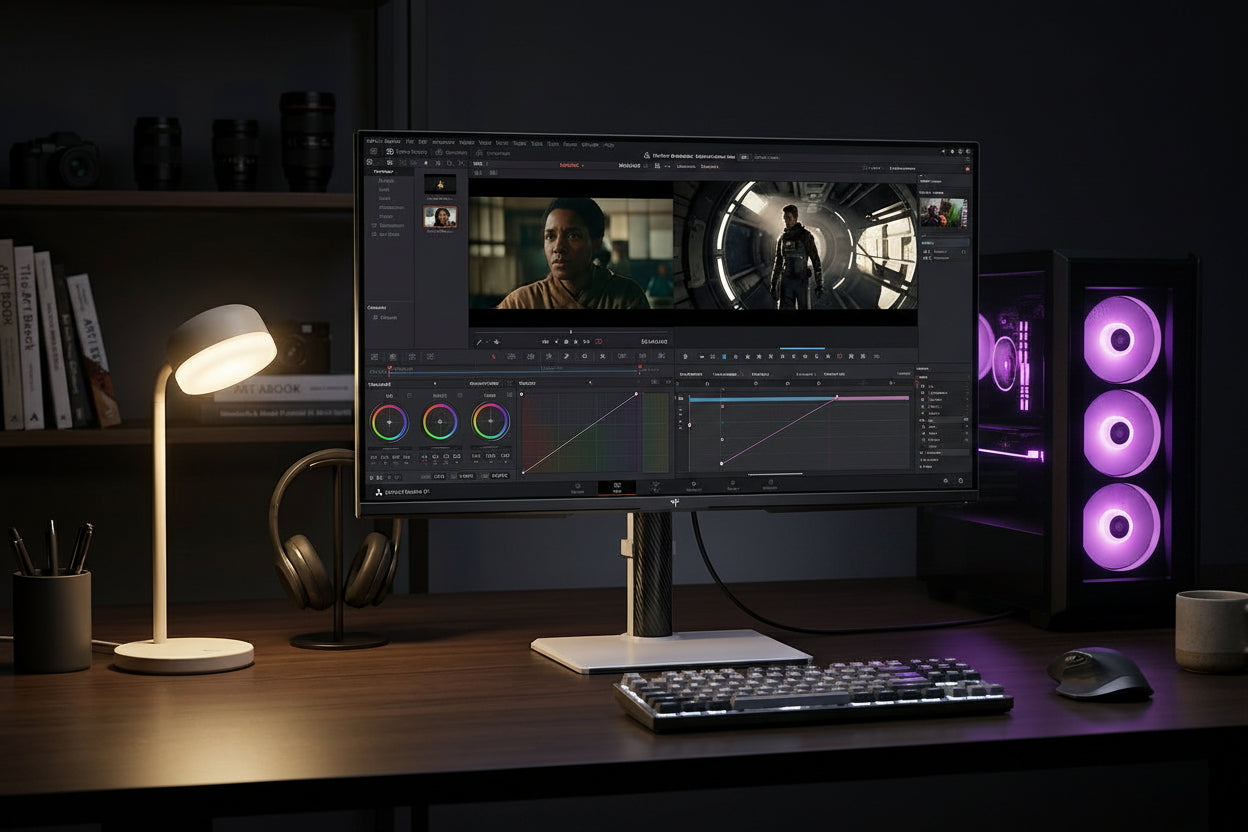
A gaming display can age physically, but it can also age competitively. A 1080p 60Hz monitor may still work after years, yet feel limiting if your GPU can now drive 1440p at 165Hz or 240Hz. Modern gaming upgrades often come from smoother motion, lower latency, adaptive sync, better contrast, and sharper resolution rather than a dead panel.
High refresh rate alone is not usually the problem. For LCD monitors, reliability depends more on heat, backlight load, power delivery, cooling design, firmware maturity, and daily habits than the refresh number. A 480Hz monitor refreshes every 2.08 milliseconds, but 480Hz is not inherently unreliable if the thermal design is solid and brightness is managed sensibly.
The replacement signal for gamers is performance friction. Ghosting that makes tracking targets harder, flicker during variable refresh rate operation, random blackouts, aggressive overdrive artifacts, or visible burn-in from static HUDs are not cosmetic annoyances. They change how the game feels. If you have to lower settings, disable features, or avoid certain content to keep the monitor tolerable, the screen is no longer serving the setup.

Productivity Displays: Replace When the Screen Costs You Focus
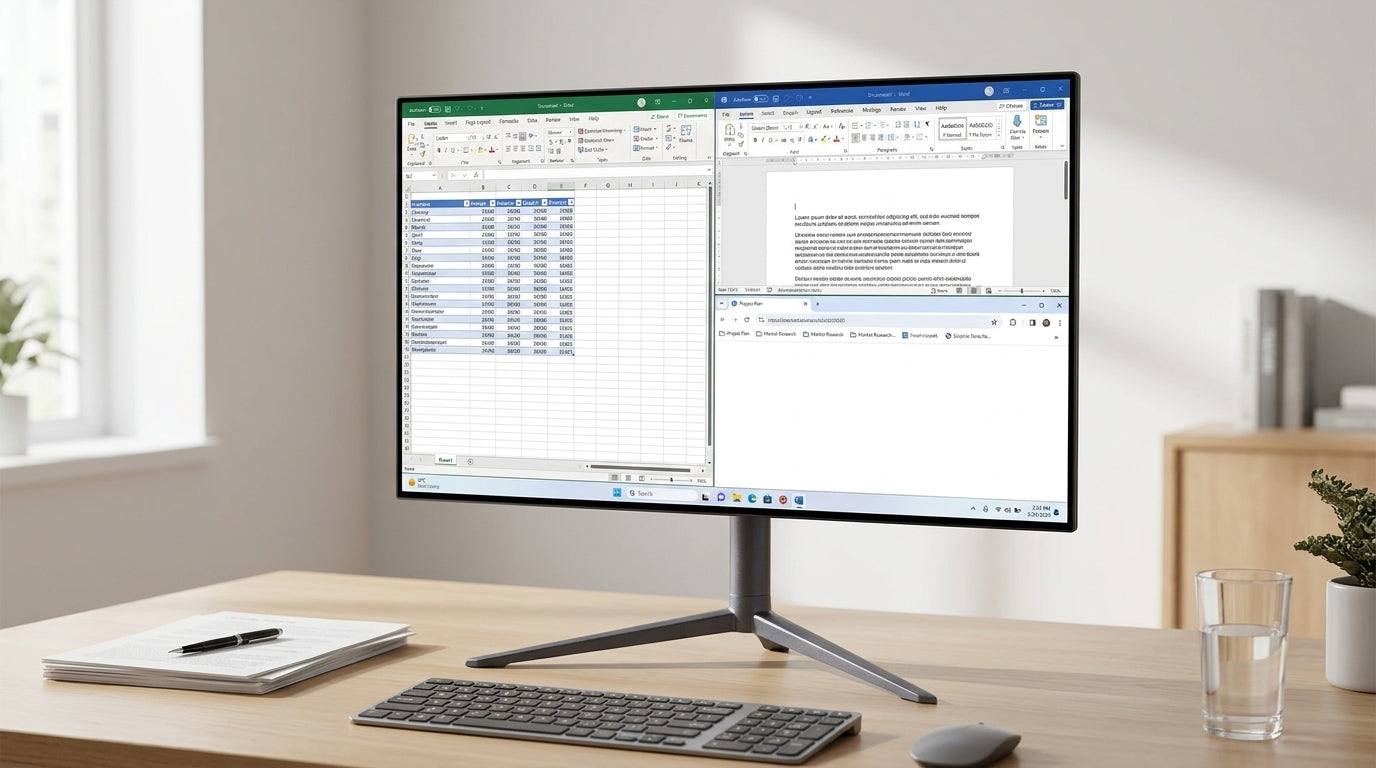
For office, coding, finance, writing, design, and remote collaboration, replacement is less about frame rate and more about clarity, space, ergonomics, and comfort. A 24-inch 1080p monitor can still be useful, but a 27-inch 4K, 32-inch 4K, or 34-inch ultrawide can reduce window juggling and make dense work easier to scan.

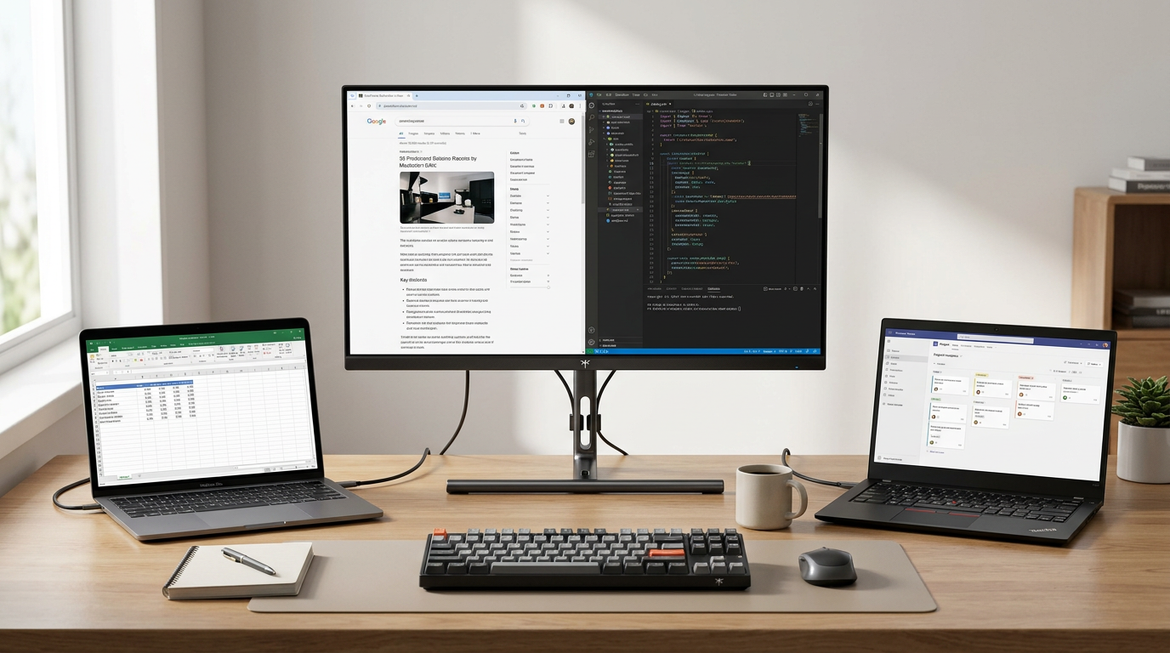
Business monitor buying is increasingly workflow-specific, with current recommendations often matching displays to conferencing, ultrawide multitasking, creative work, portability, touch input, and laptop use rather than size alone. That matters because a monitor can become functionally obsolete before it fails. If a screen lacks USB-C power delivery for your laptop, has poor text clarity for long writing sessions, or cannot fit the tools you use daily, replacement can be a productivity decision rather than a repair decision.
Eye comfort also belongs in the replacement discussion. Blue light is useful during daylight for alertness, but nighttime exposure can disrupt sleep timing; health researchers note that blue light exposure suppressed melatonin longer than comparable green light in one experiment. That does not mean you must replace a monitor just because it emits blue light, but a screen with flicker-free dimming, usable low-blue-light modes, and ergonomic adjustment can be worth upgrading to if long sessions leave you strained.
Maintenance That Adds Real Years
The highest-value habit is simple: stop running the monitor harder than necessary. Use sleep mode when you step away, lower brightness to the lowest comfortable level, keep vents clear, and avoid direct sunlight. Heat is a major driver of display aging, and high brightness creates more heat inside the panel and electronics.

Cleaning matters too, but only if done correctly. Safe monitor care means turning the screen off, letting it cool, removing dust first, and using a microfiber cloth with screen-safe cleaner rather than household cleaners or rough paper products. Gaming maintenance advice consistently emphasizes soft cleaning materials, airflow, and stable connections because dust, overheating, and port wear can all shorten useful life, especially for heavy-use gaming stations and shared setups.
For OLED, turn on pixel shifting, screen savers, automatic compensation cycles, and taskbar hiding where practical. For portable monitors, avoid leaving the panel in a hot car, do not run it at maximum brightness all day beside a sunny window, and treat USB-C and mini-HDMI ports as wear points. A travel display fails differently from a desk monitor: the hinge, cable, case, and heat envelope matter as much as the panel.
Repair, Keep, or Replace?
A monitor is worth keeping when brightness is still comfortable below maximum, colors remain stable, motion looks clean, ports are reliable, and the resolution still fits your work or games. It is worth troubleshooting when problems are intermittent and could come from a cable, GPU driver, power strip, refresh-rate setting, or loose connector.
Replacement becomes the better call when flickering returns after cable and driver checks, brightness fluctuates, dead pixels cluster in visible areas, the panel shows persistent image retention, or the monitor randomly shuts off. For work displays, replacement is also justified when low resolution, poor ergonomics, or weak connectivity causes daily friction. For gaming displays, upgrade when the monitor is the bottleneck between your hardware and the experience you can actually see.
A practical calculation helps. If a $400 monitor lasts 7 years, it costs about $57 per year before electricity. If a $900 OLED gives you 4 excellent years of HDR gaming and contrast, the cost is about $225 per year. Neither number is automatically right or wrong; the right display is the one whose lifespan, performance, and risk profile match how you use it.

FAQ
Should I turn my monitor off every night or use sleep mode?
For overnight breaks, turning it off or allowing system sleep is sensible. For short breaks during the day, sleep mode is usually better than leaving a static image on screen, especially for OLED.
Does refresh rate shorten monitor lifespan?
Refresh rate by itself is not usually the deciding factor. Heat, brightness, power design, panel type, and usage hours matter more. A high-refresh LCD used at moderate brightness in a ventilated setup can last for years.
Is burn-in only an OLED problem?
OLED is more vulnerable because each pixel emits its own light and ages with use. LCD monitors can show image retention, but permanent burn-in is less typical than on OLED under static high-brightness use.
When should a portable monitor be replaced?
Replace it when the panel dims noticeably, the USB-C or HDMI connection becomes unreliable, the chassis no longer protects the screen, or brightness is no longer usable for travel conditions.
The Practical Replacement Rule
A gaming or productivity display should last long enough to feel like infrastructure, not a disposable accessory. Expect 5 to 10 years from a quality LCD or LED-backlit monitor, treat OLED and portable screens with more care, and replace when the screen’s flaws start costing you clarity, speed, comfort, or confidence.